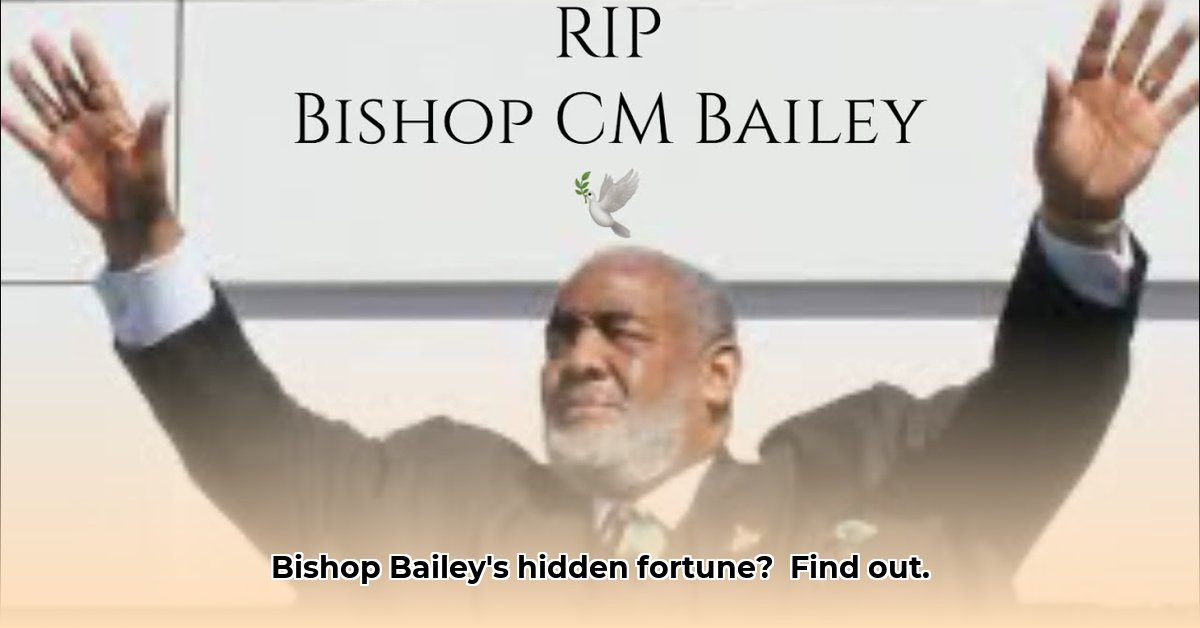
The question of Bishop C.M. Bailey's net worth isn't simply about a numerical figure; it underscores a critical need for greater transparency and accountability within religious organizations. For comparison, see this analysis of another religious leader's finances: Pastor Net Worth. While the precise details of Bishop Bailey's finances remain undisclosed, the very lack of this information raises significant concerns about ethical practices and responsible stewardship of congregational funds. This article explores the broader implications of this opacity, examining the ethical considerations, potential conflicts of interest, and the urgent need for improved financial transparency in religious leadership.
The Significance of Transparency in Religious Finances
The absence of readily available information regarding Bishop Bailey's net worth highlights a systemic issue affecting many religious organizations. This lack of transparency erodes trust between religious leaders and their congregations. It fosters suspicion and makes it challenging for donors to understand how their contributions are being utilized. How can congregants fully trust their spiritual leaders if the financial management of their church remains shrouded in secrecy? This lack of openness directly impacts the relationship between religious communities and those entrusted with their financial well-being.
Ethical Considerations and Potential Conflicts of Interest
The undisclosed financial status of Bishop Bailey raises important ethical questions. Should religious leaders, who often manage substantial donations, maintain complete privacy regarding their personal wealth? While individuals have a right to privacy, the significant influence and power associated with religious leadership necessitates a degree of financial transparency. The potential for conflicts of interest arises when a leader's personal wealth might influence decisions related to church resources or policies, prioritizing personal gain over the needs of the congregation. This potential conflict undermines the principle of selfless service that forms the cornerstone of many faiths.
The Donors' Perspective and the Importance of Accountability
Congregations donate generously to support their churches, contributing to operational expenses and indirectly supporting the lifestyle of their leaders. Donors have a right to understand how their contributions are being used. Transparency ensures that funds are allocated responsibly and ethically. This is not about intrusive scrutiny; it's about responsible stewardship and ensuring the wise use of resources entrusted to the church. A lack of transparency breeds mistrust and discourages future donations.
The Need for Stronger Regulatory Frameworks and Best Practices
The current landscape often lacks sufficient regulation regarding the financial transparency of religious organizations. This absence creates an environment where unethical practices can thrive. Mandatory independent audits, coupled with standardized reporting requirements, are crucial steps towards building trust and preventing potential misuse of funds. Such measures offer an external check on financial management, ensuring accountability and responsible stewardship.
Practical Steps Towards Greater Financial Transparency
Establishing a culture of transparency requires both internal and external efforts. Key steps include:
Implementing Clear Financial Policies: Churches should establish comprehensive and easily understandable financial policies outlining how funds are received, managed, and spent. This clarity helps build trust among congregants.
Conducting Regular Independent Audits: Independent audits offer an objective assessment of financial practices, providing an assurance of responsible financial management.
Publishing Annual Financial Reports: Making financial reports readily accessible to the congregation demonstrates a commitment to accountability and responsible stewardship.
Establishing Independent Oversight Committees: These committees act as an additional layer of scrutiny, ensuring adherence to financial policies and identifying potential conflicts of interest.
Promoting Financial Literacy: Educating congregants about financial matters enables informed participation in overseeing financial practices. This fosters a more collaborative and accountable environment.
Addressing the Systemic Issue: Beyond Bishop Bailey’s Case
The situation regarding Bishop Bailey's net worth is not an isolated incident. It highlights a wider challenge of financial transparency within religious institutions. Strengthening the regulatory landscape and implementing comprehensive financial best practices are essential for building greater trust between religious leaders and their congregations. Greater transparency is not merely desirable; it is a necessity for maintaining the integrity and ethical operation of religious organizations.
Key Takeaways:
- The lack of transparency surrounding Bishop Bailey's net worth illustrates a critical need for improved financial practices in religious organizations.
- Transparency fosters trust, ensuring responsible stewardship of donated resources and mitigating the risk of conflicts of interest.
- Implementing clear financial policies, regular independent audits, and the publication of annual reports are crucial steps toward greater accountability.
- Strengthening regulatory frameworks to ensure consistent application of financial best practices is essential for the long-term health and integrity of religious institutions.
- A proactive culture of transparency is essential to maintaining the trust and confidence of the congregation.